
Geotab Fleet Optimization Provides Greater Success
Geotab fleet optimization through Fuel Express turns vehicle data into lower operating costs: per-vehicle fuel consumption and idle reports, route optimization tools that cut unnecessary miles, and maintenance timing based on real engine data — all integrated with your fleet fuel card so fuel spending and vehicle behavior read as one picture.
Fleet optimization is the practice of using vehicle data — fuel use, idling, routes, engine health — to systematically remove waste from fleet operations. The Geotab GO9 device supplies the data; the discipline of acting on it supplies the savings.
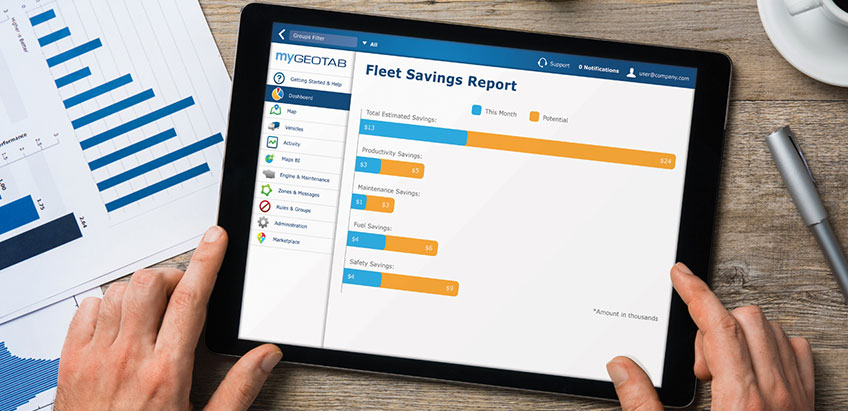
Fleet owners and managers know that details about fuel consumption, driver behavior, and engine performance matter. Every bit of information enables you to achieve greater fleet optimization. The Geotab GO9 device can provide valuable insights about your fleet that you need to drive profits. Fuel Express can connect you with powerful fleet management technology from Geotab. Upgrading your fleet with Geotab offers a chance to increase your competitiveness and earn greater profits.
Monitor Fuel Consumption
Keeping a tight rein on fuel use is critical for staying on budget. Geotab measures fuel use by individual vehicles and drivers. The system organizes comprehensive fuel consumption data into easy-to-read reports. Vital metrics, like fuel used during idling and actual miles per gallon, will appear for each vehicle. You’ll get to compare vehicles and drivers. This helps you spot drivers prone to speeding, harsh braking, or prolonged idling that pushes up fuel consumption. If you detect these behaviors in some drivers, then you can coach them with fuel-efficient driving techniques.
Identify Efficient Routes
Finding routes that reduce miles or idle time will improve your ability to save on fuel costs. The route optimization tools built into Geotab help you speed up deliveries and avoid traffic bottlenecks. Improvements in route selection can lead to driving fewer miles and cutting CO2 emissions.
Engine Performance Contributes to Fleet Optimization
Stay ahead of maintenance problems by nipping engine performance issues in the bud. Geotab ties in with fault codes issued by truck engines, such as an alert about a failing oxygen sensor. You’ll know as soon as an engine needs a tune-up or other maintenance. Timely repairs cost less than repairs after a problem has had a chance to flare up into a major breakdown.
Roadside Assistance
When a fleet vehicle experiences a breakdown, Geotab provides rapid access to roadside assistance 24 hours a day. The GO9 device connects with a network of 45,000 service providers and summons the company closest to your disabled vehicle. This convenient feature resolves problems as quickly as possible and limits costly downtime.
Geotab fleet optimization technology also coordinates with fleet fuel cards from Fuel Express. We’re your ideal source for robust fleet management solutions. Our services are appropriate for fleets of any size. Empower your fleet with cutting-edge modern tools and call Fuel Express today.
How much does idling actually cost a fleet?
Industry telematics providers estimate excessive idling costs $1,500 to $2,400 per vehicle per year, with every idle hour burning roughly 0.8 to 1.1 gallons depending on engine size [Source: vehicletrax.com]. Geotab makes your fleet’s own number visible: idle fuel burn appears per vehicle and per driver in your reports, so you can measure the problem before and after you address it — the same providers report idle time dropping sharply once drivers know it is monitored [Source: vehicletrax.com].
What does fleet optimization look like week to week?
A repeatable loop. First, baseline: the Geotab GO9 reports fuel use, idling, and true miles per gallon per vehicle. Second, coach: drivers whose speeding, harsh braking, or idling push fuel consumption up get objective, data-backed feedback — reinforced in the moment by GO TALK alerts where you enable them. Third, adjust: route optimization tools trim mileage and traffic bottlenecks, and engine data flags vehicles due for service before inefficiency compounds. Each cycle feeds cleaner numbers into your fleet fuel card reports, where fuel spending confirms what the telematics predicted.
Which vehicles should you optimize first?
The outliers. Geotab’s per-vehicle reports make them obvious: the vehicle whose true miles per gallon runs well below its twins, the driver whose idle hours dwarf the fleet average, the route that consistently burns more fuel than its mileage suggests. Starting with the two or three worst performers produces visible savings quickly and builds the case — internally and with drivers — for optimizing the rest of the fleet.
Frequently Asked Questions
Fleet optimization is the systematic use of vehicle data — fuel consumption, idle time, routes, driver behavior, and engine health — to remove operating waste. Geotab supplies that data per vehicle and per driver through the GO9 device.
Geotab measures idle fuel burn per vehicle and driver and surfaces it in easy-to-read reports, so idling becomes visible and coachable. Industry providers report idle time drops sharply once drivers know it is being measured.
Industry telematics benchmarks report meaningful fuel savings within the first few months, growing as driver habits and routes improve over time. Your own Geotab baseline reports let you measure actual progress rather than trusting averages.
Yes. Per-driver reports identify speeding, harsh braking, and prolonged idling that inflate fuel use, giving you objective data for coaching — and optional GO TALK audio alerts correct the behavior while the driver is still on the road.
Turn vehicle data into lower fuel costs
Geotab optimization through Fuel Express pairs per-vehicle insights with your fuel card reports. A representative will help you set up the right configuration.
Get Started


