
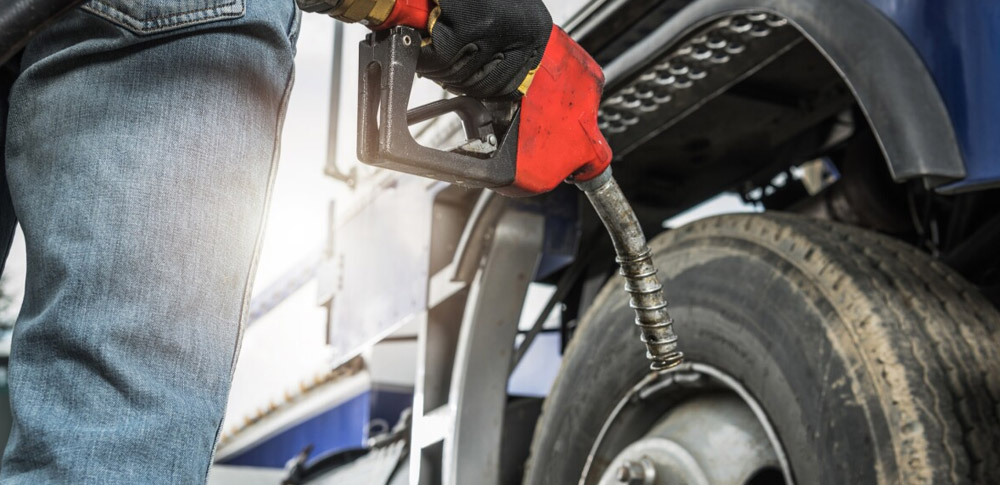
With fuel prices often unpredictable, saving gas has become a priority for many drivers. Whether you’re commuting to work, taking a road trip, or managing a fleet of vehicles, learning how to drive more efficiently can help you stretch every gallon of fuel. Fortunately, there are several practical techniques you can adopt to cut fuel costs and reduce wear on your vehicle. Here’s how to save gas when driving, and how to keep more money in your pocket with the Fuel Express fleet fuel card.
1. Drive Smoothly And Avoid Aggressive Behavior
Rapid acceleration, hard braking, and speeding can significantly reduce your vehicle’s fuel efficiency. According to the U.S. Department of Energy, aggressive driving can lower your gas mileage by as much as 15% to 30% on highways and 10% to 40% in stop-and-go traffic. Using cruise control on highways is another effective way to maintain steady speeds and conserve fuel.
- Accelerate gradually.
- Maintain a consistent speed whenever possible.
- Anticipate traffic slowdowns to reduce braking.
2. Stick To The Speed Limit
Most cars achieve peak fuel efficiency between 50 and 60 mph. For every 5 mph you drive over 60 mph, you may be paying an additional $0.20 or more per gallon for gas, according to the Department of Energy. Obeying speed limits not only keeps you safer but also reduces fuel consumption over time.
3. Keep Tires Properly Inflated
Low tire pressure increases rolling resistance, which forces your engine to work harder and burn more fuel. Underinflated tires can lower gas mileage by about 0.2% for every 1 psi drop in pressure. To optimize fuel economy:
- Check tire pressure monthly.
- Inflate tires to the manufacturer’s recommended level (found in your vehicle’s manual or on the driver’s side door frame).
- Consider low rolling resistance tires if you’re in the market for new ones.
4. Reduce Excess Weight And Drag
Carrying unnecessary items in your vehicle or on your roof can drag down fuel efficiency. Every additional 100 pounds reduces fuel economy by about 1%, especially in smaller vehicles. Roof racks and cargo carriers also create aerodynamic drag, reducing mileage even more—particularly at highway speeds. Here’s how to reduce drag and weight:
- Remove roof racks or carriers when not in use.
- Clean out your trunk or cargo area.
- Keep only essential items in your vehicle.
5. Limit Idling Time
Idling gets zero miles per gallon. Many drivers let their cars idle while waiting for someone or during colder weather, but this can waste a surprising amount of fuel. If you’re going to be stopped for more than a minute, it’s more fuel-efficient to turn off your engine (unless you’re in traffic). Modern engines require less fuel to restart than older models, so there’s no need to “warm up” your car excessively.
6. Plan Your Trips Efficiently
Combining errands into a single trip saves time, fuel, and wear on your vehicle. Short trips taken from a cold start use twice as much fuel as a longer, multipurpose trip that keeps the engine warm. Some trip planning tips:
- Avoid peak traffic times when possible.
- Use apps or GPS to find the quickest, most fuel-efficient routes.
- Group errands by location.
7. Perform Regular Vehicle Maintenance
A well-maintained engine runs more efficiently and uses less fuel. Skipping regular maintenance like oil changes, air filter replacements, and spark plug inspections can lead to higher fuel consumption. Check your owner’s manual for the recommended maintenance schedule to help your car operate at its best. Stay on top of:
- Engine tune-ups and inspections.
- Replacing clogged air filters.
- Using the correct motor oil for your vehicle.
- Keeping your fuel system clean.
8. Use Air Conditioning Wisely
Running your AC can increase fuel usage, especially at low speeds. On hot days, try using your vehicle’s ventilation system or rolling down the windows at lower speeds. At higher speeds, open windows can create drag, so it’s usually more efficient to use the AC. For best results:
- Use the recirculate setting to cool your cabin faster.
- Park in the shade or use a sunshade to keep your car cooler.
- Turn off the AC once you’ve reached a comfortable temperature.
Final Tip For Businesses And Fleet Owners
If you manage a fleet or own a business with multiple drivers on the road, fuel savings can make a significant difference to your bottom line. That’s where the Fuel Express fleet fuel card comes in. With advanced spending controls, nationwide acceptance, and detailed reporting tools, you can monitor fuel usage, prevent unauthorized purchases, and increase overall efficiency. Whether you’re operating a few service vehicles or managing a large fleet, the Fuel Express card helps streamline fuel management and maximize your savings at the pump. Learn more about our fuel saving gas card.


